The Rich Heritage and Traditions of Newari Culture
- 12slka34
- 3 days ago
- 3 min read

Updated: 1 day ago
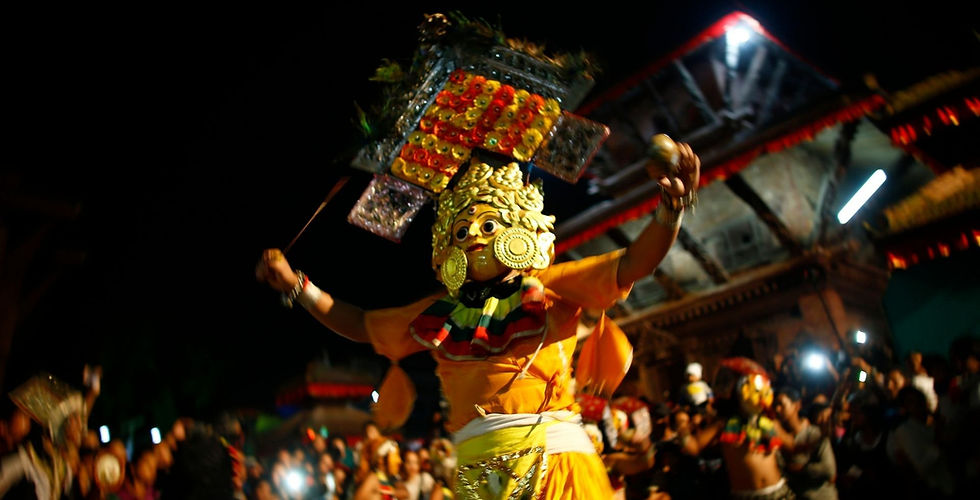
Newari culture stands as one of the most distinctive and enduring cultural identities in Nepal. Rooted in the Kathmandu Valley, the Newar people have preserved a unique blend of art, language, religion, and social customs that continue to thrive today. This post explores the key elements that define Newari culture, offering insights into its history, festivals, cuisine, and craftsmanship.
Origins and Historical Significance
The Newar community traces its origins back over a thousand years, with a history deeply intertwined with the development of the Kathmandu Valley. Historically, Newars were the valley’s original inhabitants and played a central role in shaping the region’s political, economic, and cultural landscape. Their language, Nepal Bhasa, is one of the oldest in Nepal and remains a vital part of their identity.
Newari culture reflects a fusion of Hindu and Buddhist traditions, which coexist harmoniously. This blend is visible in the architecture of temples, the rituals performed, and the festivals celebrated. The Newars have contributed significantly to the art and architecture of Nepal, including the famous pagoda-style temples and intricate wood carvings found throughout the valley.
Festivals and Rituals
Newari festivals are colorful, elaborate, and deeply symbolic. They mark the agricultural calendar, religious events, and social milestones. Some of the most prominent festivals include:
Indra Jatra: Celebrated in Kathmandu, this festival honors Indra, the god of rain and king of heaven. It features masked dances, chariot processions, and the display of sacred images.
Biska Jatra: Observed in Bhaktapur, this festival marks the Nepali New Year with lively chariot pulling, traditional music, and rituals that symbolize the victory of good over evil.
Yomari Punhi: This harvest festival celebrates the end of the rice harvest with the preparation of Yomari, a sweet delicacy made from rice flour filled with molasses and sesame seeds.
Rituals in Newari culture often involve elaborate ceremonies conducted by priests, with offerings to deities and ancestors. These practices emphasize community participation and the preservation of ancestral traditions.
Art and Craftsmanship
Newari artisans are renowned for their skills in various crafts, including metalwork, pottery, wood carving, and painting. Their work often features religious motifs and intricate designs that reflect their spiritual beliefs.
Wood Carving: Newari woodcarvers create detailed windows, doors, and struts that adorn temples and traditional houses. These carvings often depict deities, mythical creatures, and floral patterns.
Metalwork: The community produces exquisite statues and ritual objects in bronze and copper, used in both Hindu and Buddhist worship.
Paubha Painting: This traditional form of scroll painting illustrates religious themes and is used in meditation and worship.
These crafts are not only artistic expressions but also serve as a means to pass down cultural knowledge and religious values from generation to generation.
Language and Literature
Nepal Bhasa, the language of the Newar people, holds a rich literary tradition. It includes religious texts, poetry, and historical chronicles. Despite pressures from dominant languages, Nepal Bhasa remains vibrant, supported by community efforts to teach and promote it.
Literature in Nepal Bhasa often explores themes of spirituality, social life, and history. The preservation of this language is crucial for maintaining the cultural heritage of the Newar people.
Cuisine and Culinary Traditions
Newari cuisine is famous for its variety and flavor, reflecting the community’s agricultural roots and cultural diversity. Meals often consist of multiple dishes served together, balancing tastes and textures.
Key dishes include:
Samay Baji: A traditional platter featuring rice, meat, lentils, vegetables, and pickles, served during festivals and special occasions.
Chatamari: Sometimes called Newari pizza, this rice flour crepe is topped with meat, eggs, or vegetables.
Yomari: A sweet treat made during harvest festivals, symbolizing prosperity and good fortune.
Food plays a central role in Newari social life, bringing families and communities together during celebrations and daily meals.
Social Structure and Community Life
Newari society is organized around traditional caste groups, each with specific roles and responsibilities. This structure supports the community’s economic and religious functions, from farming and trading to priesthood and craftsmanship.
Community life is marked by strong social bonds and cooperation. Neighborhoods often have communal spaces for gatherings, rituals, and festivals. These social networks help preserve cultural practices and provide support systems for members.
Architecture and Urban Design
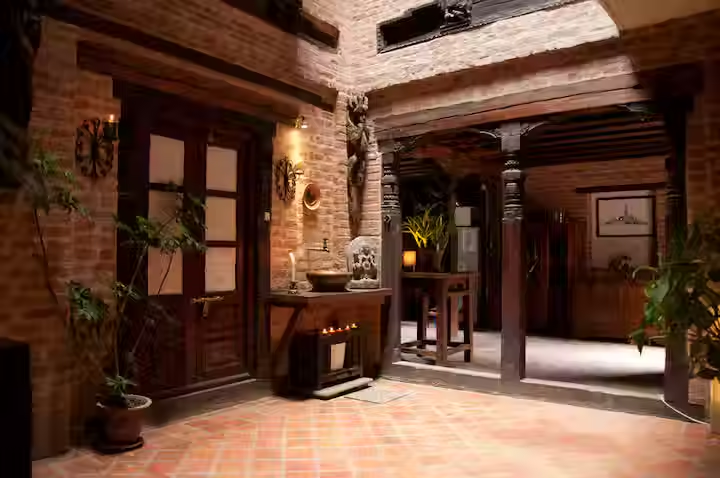
The Kathmandu Valley is dotted with Newari-style architecture, characterized by brick buildings, carved wooden windows, and tiered temples. Towns like Bhaktapur, Patan, and Kathmandu showcase this heritage through their well-preserved squares and streets.
Newari urban design emphasizes harmony with nature and spiritual symbolism. Courtyards, water fountains, and open spaces are common features that encourage social interaction and religious activities.

Comments